Torn between Brickell and Edgewater for your Miami condo search? You are not alone. Both neighborhoods offer striking towers, water and skyline views, and a vibrant lifestyle, but the day-to-day experience and long-term costs can differ. In this guide, you will learn how these areas compare on pricing, amenities, walkability, views, transit, insurance, and HOA factors, plus a simple framework to pick the right fit. Let’s dive in.
Brickell vs Edgewater snapshot
Brickell is Miami’s urban core with a dense office and residential mix, high-rise clusters, strong dining and retail, and a lively street scene. It is commonly described as the city’s financial district. For context on the neighborhood’s role in the metro, review the overview on the Brickell neighborhood page.
Edgewater sits just north of downtown along Biscayne Bay. It is more residential at street level, with a growing skyline of bayfront towers, larger balconies, and quick access to the Design District, Wynwood, and Midtown. You can read more about the area in the Edgewater overview.
Pricing and unit types
In Brickell, you will see a broad price spectrum. Older buildings can offer entry points with studios and one-bedrooms, while newer luxury and hotel-branded towers push into multi-million price ranges. Expect premiums for full-service buildings and high floors with strong skyline or bay exposures.
Edgewater often presents competitive price per square foot relative to Brickell, though new luxury towers have narrowed the gap. Many bayfront buildings emphasize larger balconies and floor plans designed for sunrise views. In both neighborhoods, verify current median prices and per-square-foot figures through local reports such as the Miami Association of Realtors, and confirm recent comparable sales in the specific building.
Tip: Include HOA fees and any special assessments in your comparison. Those line items can shift the true monthly cost of ownership.
Amenities and services
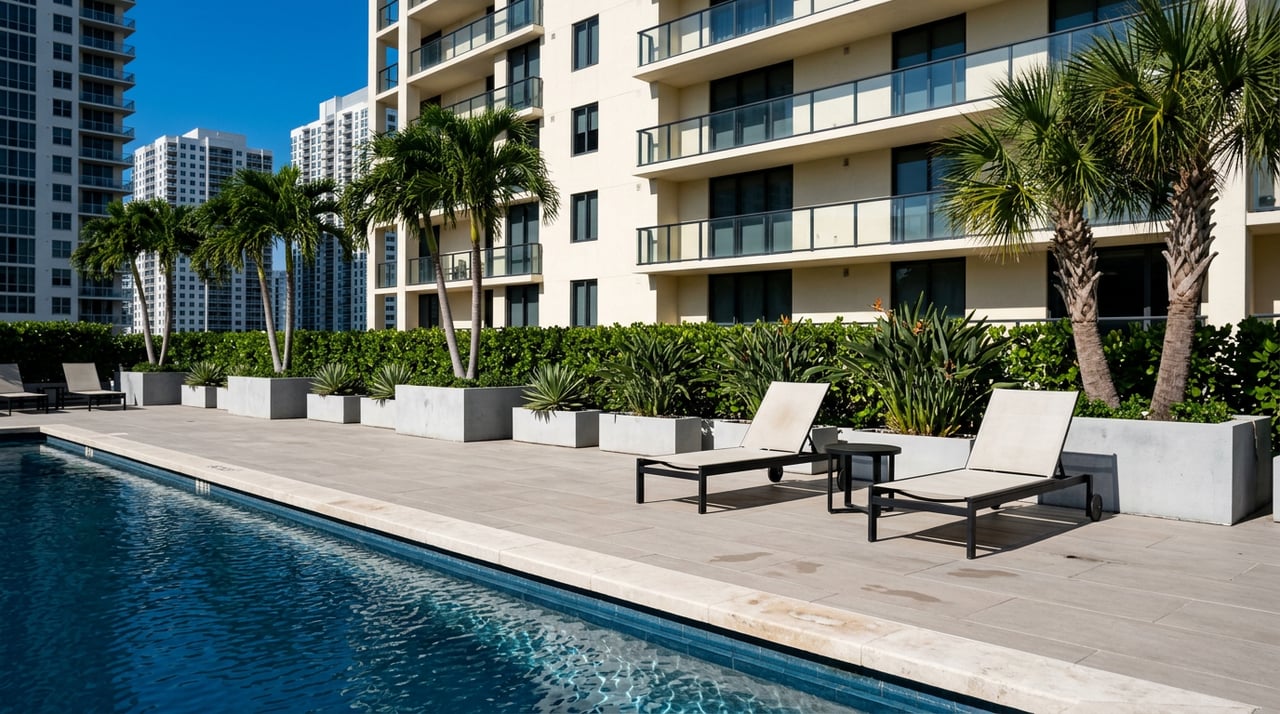
Brickell tends to deliver full-service packages: hotel-style lobbies, 24/7 concierge, valet, multiple pools, modern gyms, and on-site retail or dining, especially near the Brickell City Centre corridor. Newer towers commonly add club lounges, private dining rooms, and coworking areas.
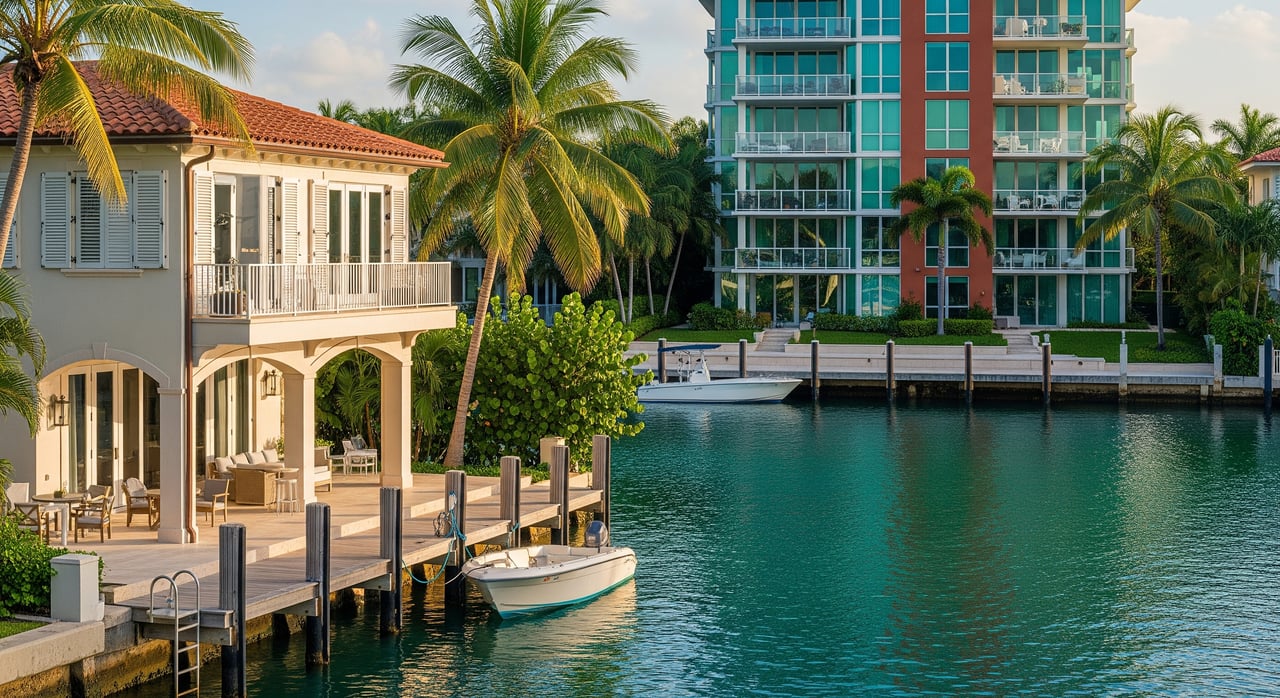
Edgewater’s amenity mix often leans into the waterfront lifestyle with bayfront pools, larger terraces, green spaces along the baywalk, and in select buildings, private docks. Some properties are full-service; others feel more boutique with fewer ground-floor retail options.
What to verify for any building:
- Whether amenities are exclusive to owners and what is included in the HOA fee.
- Staffing levels and hours for services like valet and concierge.
- Any separate memberships or fees for marinas or reserved parking.
Walkability and transit
If you want a high-energy, walk-everywhere experience, Brickell typically wins for daily convenience. You will find concentrated restaurants, coffee bars, grocery options, and multiple public transit nodes via Metrorail and Metromover. For broader system details and planning your commute, consult Miami-Dade Transit.
Edgewater’s walkability is improving but is more residential between towers. Many residents stroll to Biscayne Boulevard, Midtown, or Wynwood for dining, fitness, and specialty markets. It helps to check exact walking times for your shortlisted addresses using Walk Score and your navigation app before you commit.
Views and orientation
Brickell views are a blend of city lights, skyline panoramas, and bay exposures near Brickell Key. New construction can alter sightlines over time, so confirm view corridors by checking recent resale photos and planned nearby development.
Edgewater more frequently delivers direct Biscayne Bay views and sunrise exposures, with many buildings optimizing terrace space. West-facing units in both areas trade morning light for sunset city views. Always verify orientation, floor height, and potential obstructions before you finalize an offer.
Insurance and flood risk
Both Brickell and Edgewater include properties in coastal or low-lying zones, which can affect insurance costs and lending. Start your due diligence by checking the building’s parcel in the FEMA Flood Map Service Center to understand flood zone designations. Ask about building resilience features such as raised mechanicals, floodgates, generator systems, and seawall condition for bayfront sites.
Insurance markets evolve, and premium changes can impact monthly carrying costs. For market context and trends, review updates from the Florida Office of Insurance Regulation.
HOA and assessments
Condo governance and building health matter as much as finishes and views. In Florida, condominiums are regulated by state law. Before closing, you should review association budgets, reserve studies, meeting minutes, and any active or recent litigation. The Florida Condominium Act is available in Florida Statutes Chapter 718.
Key items to ask for:
- Current budget, reserves, and planned capital projects.
- Special assessments and timing of payments.
- Building insurance history and claim patterns.
- Rental and occupancy rules that affect personal use or investment plans.
Investor and rental rules
Brickell typically draws strong tenant demand from professionals who value proximity to offices, dining, and transit. Some buildings allow short-term rentals, while others restrict them. Edgewater often appeals to longer-term tenants who want bay views and a more residential feel. In both areas, always confirm the building’s rental policy, occupancy caps, and any municipal rules before you underwrite returns.
Step-by-step decision guide
Rank your top three priorities: walkability and transit, bay views and terraces, building services, unit size, investment use, or budget.
Filter listings accordingly:
- If your focus is walkability, transit, and nightlife, prioritize Brickell addresses near Metrorail or Metromover nodes.
- If you want bay views, larger outdoor space, and a quieter residential feel, focus on Edgewater bayfront towers.
Run building-level due diligence: HOA docs, reserves, capital projects, rental policy, flood zone, and insurance context via the FEMA map center.
Compare total monthly and one-time costs: HOA fees, taxes, flood insurance, parking purchases, and any special assessments.
Visit at different times: weekday morning, evening, and late night to gauge traffic, noise, and light direction for your unit orientation.
Consider resale: Favor buildings with strong buyer pools, solid reserves, and fewer risk flags like extensive litigation.
Buyer profiles at a glance
- Urban professional prioritizing nightlife and transit: Brickell often fits best with high-rise convenience, concierge services, and easy access to trains and the Metromover.
- Bayview lifestyle with larger terraces: Edgewater’s bayfront towers often deliver sunrise views, broader balconies, and a calmer street rhythm.
- Investor focused on demand drivers: Brickell may support corporate and short-term demand in some buildings, while Edgewater can appeal to longer-term tenants who want space and water views. Confirm rules in each building.
- Empty-nester seeking full-service living: Either neighborhood can work. Look for concierge, valet, on-site dining, and housekeeping options, and clarify which services are included.
Due diligence checklist
Market and pricing
- Pull recent comps in the same building and immediate area using the Miami Association of Realtors.
- Compare price per square foot, median days on market, and list-to-close trends.
- Model carrying costs: HOA fees, taxes, and flood insurance.
Building and governance
- Review HOA budget, reserve study, minutes, and certificate of insurance.
- Check for special assessments or planned capital work.
- Search for active litigation tied to the association.
Unit and views
- Confirm floor height, exposure, and likely view stability.
- Check balcony size and any enclosure or modification rules.
Physical condition and resilience
- Ask about recent façade or structural work and backup power.
- Confirm flood mitigation efforts and seawall condition if bayfront.
Insurance and financing
- Verify flood zone in the FEMA Flood Map Service Center.
- Ask lenders about condo eligibility and reserve requirements.
Neighborhood fit
- Use Walk Score to confirm walkability.
- Plan commute options through Miami-Dade Transit.
- Review property and tax history via the Miami-Dade County Property Appraiser.
Walkability and commute tips
- Brickell: If you expect to rely on rail, shortlist addresses near Metrorail and Metromover stops to cut car time and parking costs. Confirm any building parking policies for owners and guests.
- Edgewater: Map out your daily trips. Many residents walk to Biscayne Boulevard or Midtown, and use buses or a short drive to connect with rail downtown. Consider how often you need immediate rail access versus a car.
What this means for your search
Choose Brickell if your top priorities are walkability, transit, a bustling urban scene, and full-service towers. Lean Edgewater if you want bay views, generous terraces, and a calmer residential feel with quick access to design and arts districts. In both cases, let pricing, building health, flood and insurance factors, and your lifestyle priorities guide the final call.
Ready to compare specific buildings, run comps, and review HOA and insurance details side by side? Connect with Jason Sims to map a shortlist and schedule tailored tours.
FAQs
What is the core difference between Brickell and Edgewater?
- Brickell delivers a dense urban core with high walkability and transit, while Edgewater offers a more residential bayfront feel with larger terraces and sunrise views.
How do HOA fees and assessments affect condo costs?
- HOA fees and special assessments can materially change monthly costs, so review budgets, reserves, and planned projects outlined under Florida Statutes Chapter 718.
How can I check flood risk for a condo?
- Look up the property’s parcel in the FEMA Flood Map Service Center and ask about building mitigation like floodgates, raised systems, and generator capacity.
What transit options are near these neighborhoods?
- Brickell has Metrorail and Metromover access with multiple stops, while Edgewater relies more on bus routes and short trips to rail; see Miami-Dade Transit.
Where can I find reliable market data for Miami condos?
- Use the Miami Association of Realtors for market reports and pair it with building-specific comps, HOA documents, and property records from the Miami-Dade County Property Appraiser.