Trying to choose between Coral Gables and Coconut Grove for a single-family home? You are not alone. Both offer beautiful streetscapes, access to the water, and strong long‑term appeal, but the day‑to‑day lifestyle and lot characteristics feel very different. In this guide, you will learn how pricing, lot sizes, architecture, walkability, schools, permitting, flood and insurance risk, and resale drivers compare so you can move forward with confidence. Let’s dive in.
Quick take: how they differ
Coral Gables centers on a planned, Mediterranean-inspired aesthetic with larger, more regular lots and a predictable design review process. That structure keeps streetscapes consistent and can support long‑term value. The city’s historic narrative goes back to George Merrick’s “City Beautiful” plan, which still shapes what you see today (Coral Gables overview).
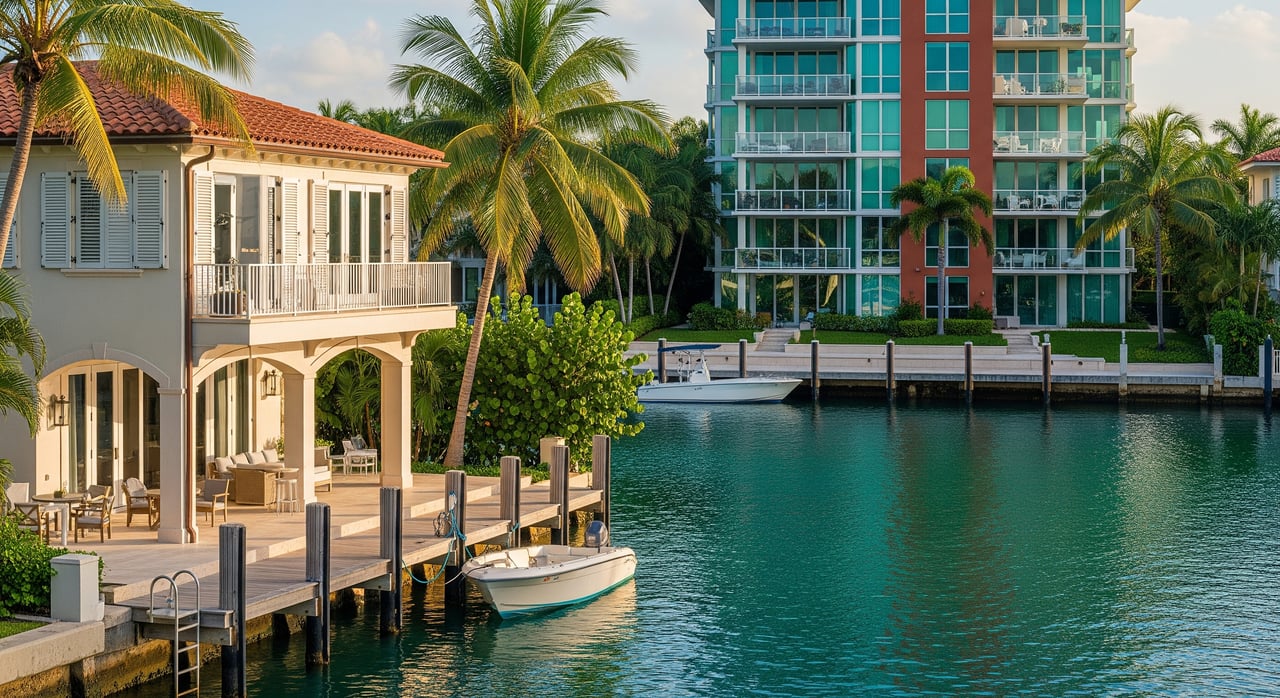
Coconut Grove leans into a compact, walkable village lifestyle near the bay. You will see a wider mix of architecture, smaller inland lots near the village, and significant premiums for bayfront estates. Ongoing luxury development, including the boutique Vita at Grove Isle, continues to influence top-tier demand and supply (Vita at Grove Isle progress).
Price and competition
Coral Gables pricing
Recent snapshots place Coral Gables’ median single‑family sale price around the mid‑$1M range, roughly $1.6M in early 2026. Homes under about $2M often move faster, while grand estates and waterfront properties can command much higher prices. Supply is tight in premier enclaves, which helps support pricing in well‑located sections.
Coconut Grove pricing
Coconut Grove’s recent median sale or listing figures often land between about $1.5M and $2.0M, depending on exact boundaries and timeframe. Expect significant premiums for bayfront, canal access, and walk‑to‑village locations. Ultra‑luxury bayfront trades can reach many multiples of neighborhood medians, supported by scarce shoreline and ongoing top‑tier buyer interest (recent ultra‑luxury bayfront activity).
Lots, architecture, and character
Coral Gables: planned and consistent
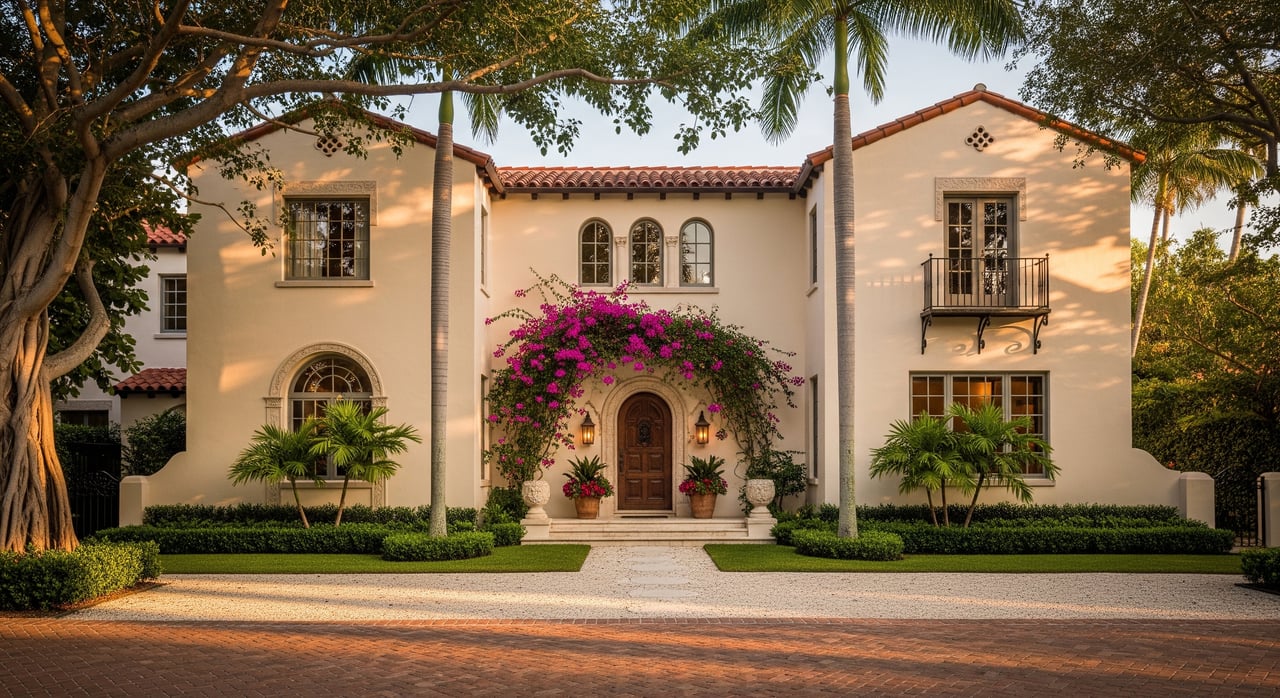
Coral Gables is known for Mediterranean‑Revival character and a formal design framework. The city’s Board of Architects and historic review provide clear guidelines for renovations and new builds, which preserves a cohesive look and feel (Board of Architects and design review). Many neighborhoods were platted with larger, regular lots, and estate sections offer some of the area’s biggest parcels.
Coconut Grove: eclectic and village‑centric
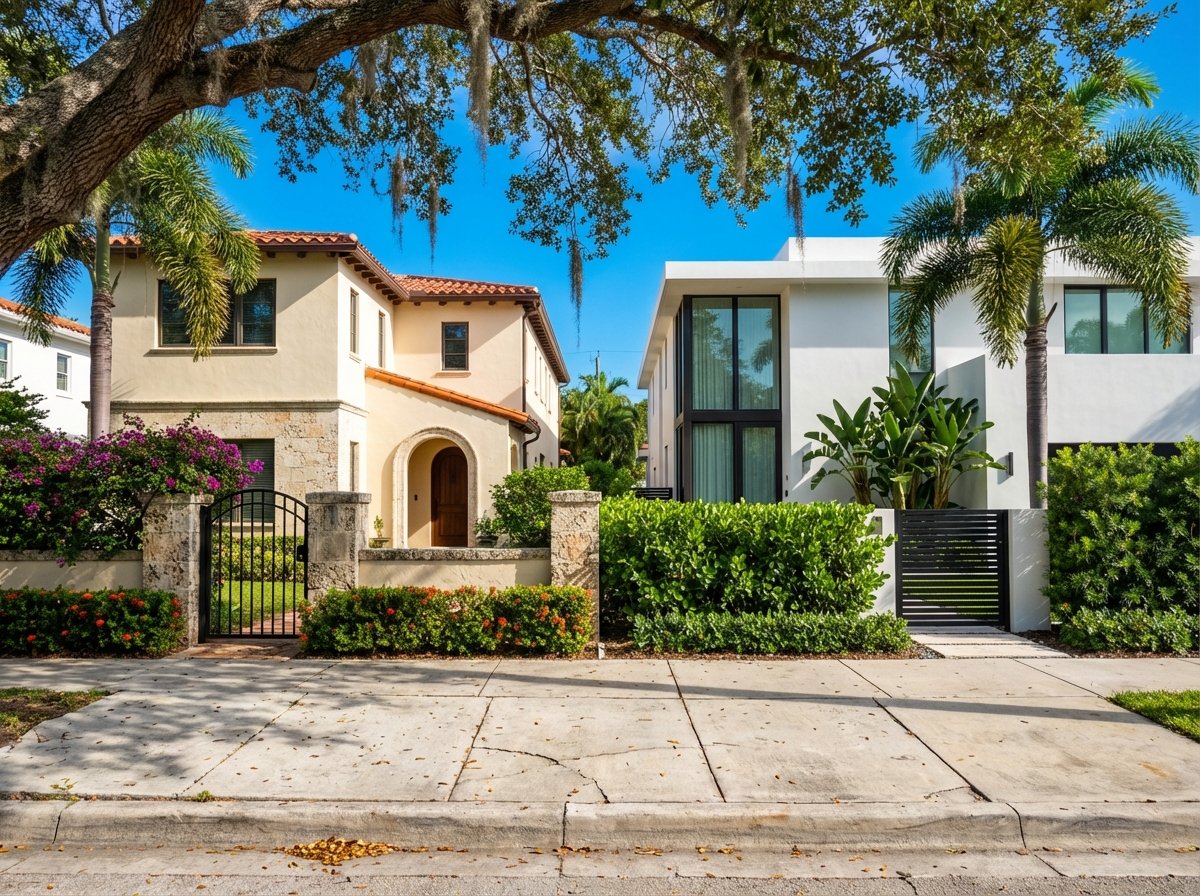
The Grove’s identity blends a leafy, bohemian past with a vibrant village core and marinas. Inland, you often trade larger yards for a shorter walk to shops and dining. Along the bay, parcels can be large or assembled for new estates, with values driven by water access and scarce shoreline. Portions of the Grove fall under City of Miami historic review, which can add steps for renovations and teardowns (City of Miami Historic Preservation).
Walkability and commute
Both neighborhoods have highly walkable cores, with Coral Gables’ Miracle Mile and Merrick Park and Coconut Grove’s village center offering errands and dining on foot. Walk Score ratings for central pockets in both areas are strong, while walkability drops in peripheral single‑family enclaves (Walk Score ratings for central pockets).
Transit access is solid in both, with Metrorail stations serving nearby corridors and Metrobus connections throughout. Depending on your exact address and destination, off‑peak drives to Downtown or Brickell can be about 10 to 25 minutes, but peak times run longer. Transit and trolley options help with last‑mile flexibility (Metrorail and Metrobus connections).
Schools and private options
Public school boundaries vary by street and can change, so confirm the exact attendance zone for any home you are considering. Both areas are served by neighborhood public options and benefit from nearby magnet programs and noted private schools. Always verify zoning and programs for a specific address and timeline (check attendance zones and school options). Coral Gables also hosts Coral Gables Senior High, a long‑standing community anchor (Coral Gables Senior High overview).
Resale and risk factors to weigh
- Architectural consistency and larger lot sizes in Coral Gables can support resale over time, especially near the Biltmore, golf amenities, and the University of Miami. In the Grove, village proximity and bayfront scarcity drive demand in premium tiers, though top‑end cycles can be more volatile when major condo projects deliver new inventory.
- Flood exposure, elevation, and insurance costs are material factors across Miami‑Dade. Review FEMA/NFIP maps, elevation certificates, and if waterfront, seawall conditions. Miami‑Dade’s Sea Level Rise Strategy outlines the county’s approach to long‑term resilience planning (Sea Level Rise Strategy).
- Insurance markets remain dynamic in Florida, so early quotes for homeowners, flood, and umbrella coverage are important to understand true carrying costs (insurance market pressure in Florida).
- Renovations and teardowns often take longer than buyers expect. Coral Gables’ formal review helps maintain character but adds time and requirements, while City of Miami historic reviews apply to certain Grove districts (Board of Architects and design review; City of Miami Historic Preservation).
Side‑by‑side comparison
| Feature | Coral Gables | Coconut Grove |
|---|---|---|
| Price bands | Median around mid‑$1M; higher in estate and waterfront pockets | Median often in the $1.5M–$2.0M range; significant premiums for bayfront and walk‑to‑village |
| Typical lots | Regular, larger lots common in many areas; estate sections offer some of the largest parcels | Smaller village lots inland; large or assembled parcels on the bay |
| Style/era | Planned Mediterranean-Revival character with cohesive streetscapes | Eclectic mix: historic bungalows, midcentury, modern estates |
| Walkability | Very walkable core near Miracle Mile and Merrick Park; lower walkability in some single‑family enclaves | Highly walkable village core; walkability tapers beyond the center |
| Transit access | Nearby Metrorail stations and trolley service | Metrorail and Metrobus access near the Grove; compact core aids short trips |
| Resale drivers | Lot size, consistent architecture, proximity to Biltmore, UM, golf | Bay access, village proximity, and premium new product cycles |
| Flood/insurance | Varies by micro‑location and elevation; review FEMA/NFIP and insurance early | Similar diligence plus seawalls and shoreline factors for waterfront |
Diligence checklist before you buy
- Confirm current neighborhood medians and comparable sales with a trusted local agent using MLS data.
- Run FEMA/NFIP flood maps, request an elevation certificate if relevant, and review any seawall documentation for waterfront parcels (Sea Level Rise Strategy).
- Check zoning, design review, and historic rules early so you can plan timelines and budgets (Board of Architects and design review; City of Miami Historic Preservation).
- For families, verify the exact public school attendance zone and confirm private‑school admission timelines and transportation options (check attendance zones and school options).
- Obtain homeowners, flood, and umbrella insurance quotes during early diligence to capture true monthly costs (insurance market pressure in Florida).
Which is right for you?
Choose Coral Gables if you want larger, more regular lots, a cohesive Mediterranean aesthetic, and a predictable design framework. The city’s planning roots and review process help preserve character and can reinforce long‑term value.
Choose Coconut Grove if you want a walkable, village‑scale lifestyle near marinas and the bay, and you are comfortable with an eclectic mix of homes and lot sizes. If direct bay access and a leafy urban feel top your list, the Grove often delivers.
If you want a tailored read on sub‑neighborhoods, pricing bands, and off‑market opportunities, let’s talk about your wish list and timeline. Schedule a Consultation with Jason Sims to map your best path in Coral Gables or Coconut Grove.
FAQs
How do Coral Gables and Coconut Grove compare for single‑family prices?
- Coral Gables often sits around the mid‑$1M median, while Coconut Grove commonly ranges from about $1.5M to $2.0M, with wide variation by micro‑location and property type.
What should I expect to pay for waterfront in Coconut Grove vs an inland Coral Gables lot?
- Bayfront Grove homes carry substantial premiums due to scarcity and amenities, with ultra‑luxury trades reaching many multiples of area medians; inland Coral Gables lots typically price lower than comparable bayfront properties.
Which area gives more yard for the money at $1–2M?
- At this budget, Coral Gables more often offers larger, regular lots, while the Grove typically trades lot size for village walkability and proximity to the bay.
How do flood and insurance affect ownership costs in these areas?
- Flood zones, elevation, and, for waterfront, seawall condition can materially impact premiums; review county resilience resources and secure early quotes for homeowners and flood coverage (Sea Level Rise Strategy; insurance market pressure in Florida).
What are the commute and transit options from each neighborhood?
- Both areas offer walkable cores and access to Metrorail and Metrobus, with off‑peak drives to Downtown/Brickell often 10–25 minutes depending on address and time (Metrorail and Metrobus connections).
What should I know about renovating in Coral Gables or Coconut Grove?
- Expect added time for design and permitting: Coral Gables uses a Board of Architects and historic review, and parts of Coconut Grove fall within City of Miami historic districts that require approvals (Board of Architects and design review; City of Miami Historic Preservation).