Looking for a Miami neighborhood that feels polished and residential without putting you in the middle of a high-rise skyline or tourist crowds? If you want more space, a strong sense of place, and easy access to everyday amenities, Miami Shores deserves a closer look. This guide walks you through what makes the village stand out for upscale living, from housing style and recreation to schools, waterfront access, and commute convenience. Let’s dive in.
Why Miami Shores Stands Out
Miami Shores is a compact village in northeastern Miami-Dade County on Biscayne Bay, and its character feels distinct from many other Miami-area communities. According to a local neighborhood profile, the village spans about 2.5 square miles of land and 1.3 square miles of water, which helps explain its intimate, residential scale.
What many buyers notice first is the balance between refinement and livability. Official materials describe Miami Shores as a quiet, family-oriented single-family suburb with tree-lined streets, wide roads, and very few multifamily units. That gives the area a more settled, house-focused feel than neighborhoods defined by condos or large commercial corridors.
The same village data points also support its upscale profile. The FY2026 budget book and related reporting estimate 86.7% owner occupancy, a median household income of about $137,873, a median home value of about $788,600, and an average commute time of about 27 minutes. For you as a buyer, that points to a neighborhood with strong owner presence and long-term residential appeal.
Housing and Architecture
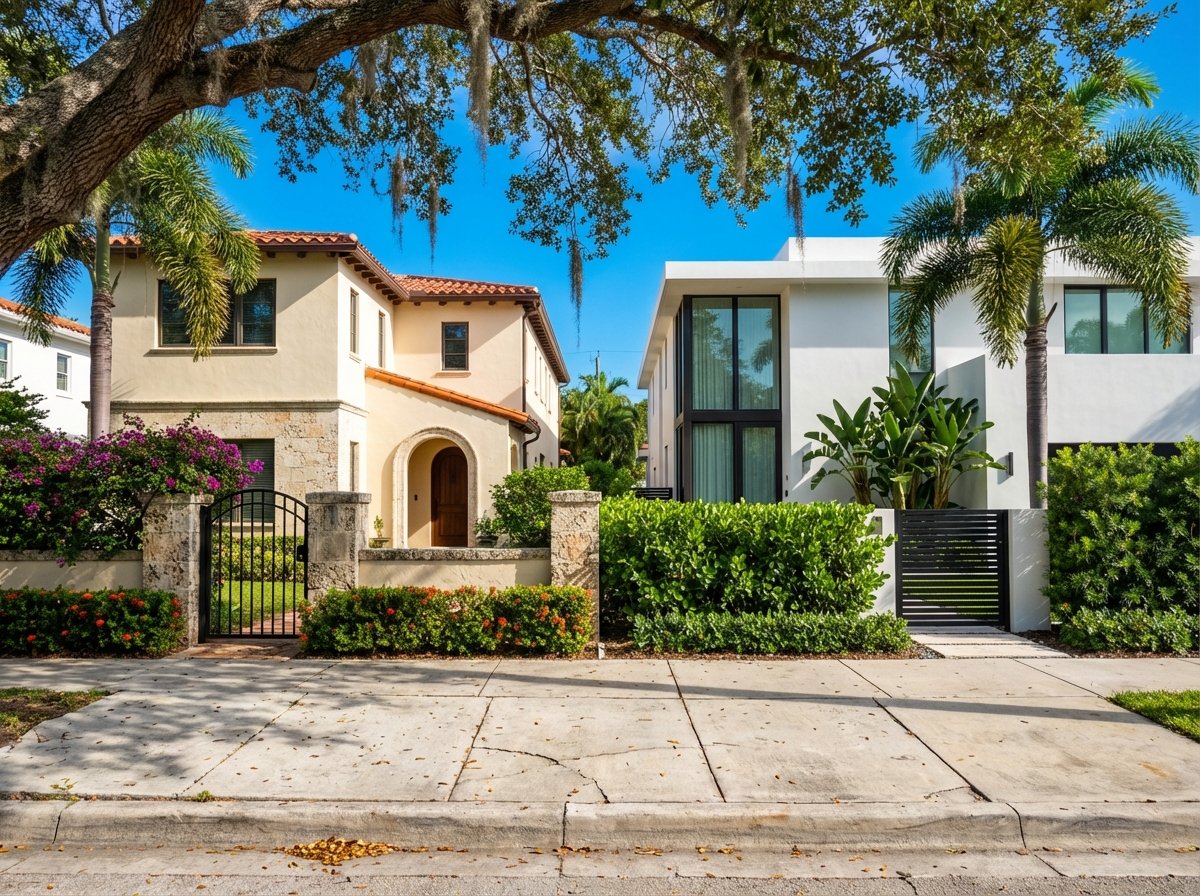
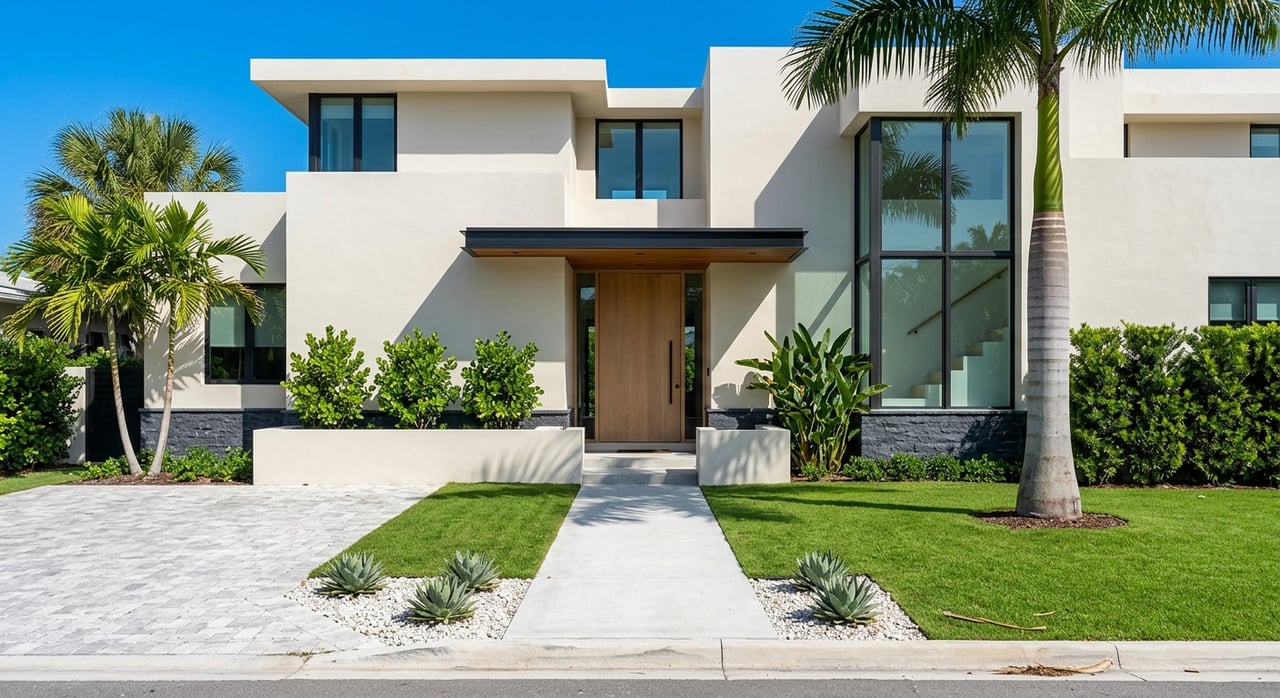
If architectural character matters to you, Miami Shores offers more variety than you might expect. Village history and planning materials highlight a mix of MiMo, Mediterranean Revival, Art Deco, and contemporary homes, creating streetscapes that feel layered rather than repetitive. You get a neighborhood that has evolved over time without losing its residential identity.
Preservation also plays a meaningful role here. The village adopted its first zoning code in 1956, and the historic preservation board notes that more than forty homes have been designated by the village council, according to the FY2026 Adopted Budget Book. That preservation-minded approach reinforces the sense that Miami Shores values house-scale design and long-term stewardship.
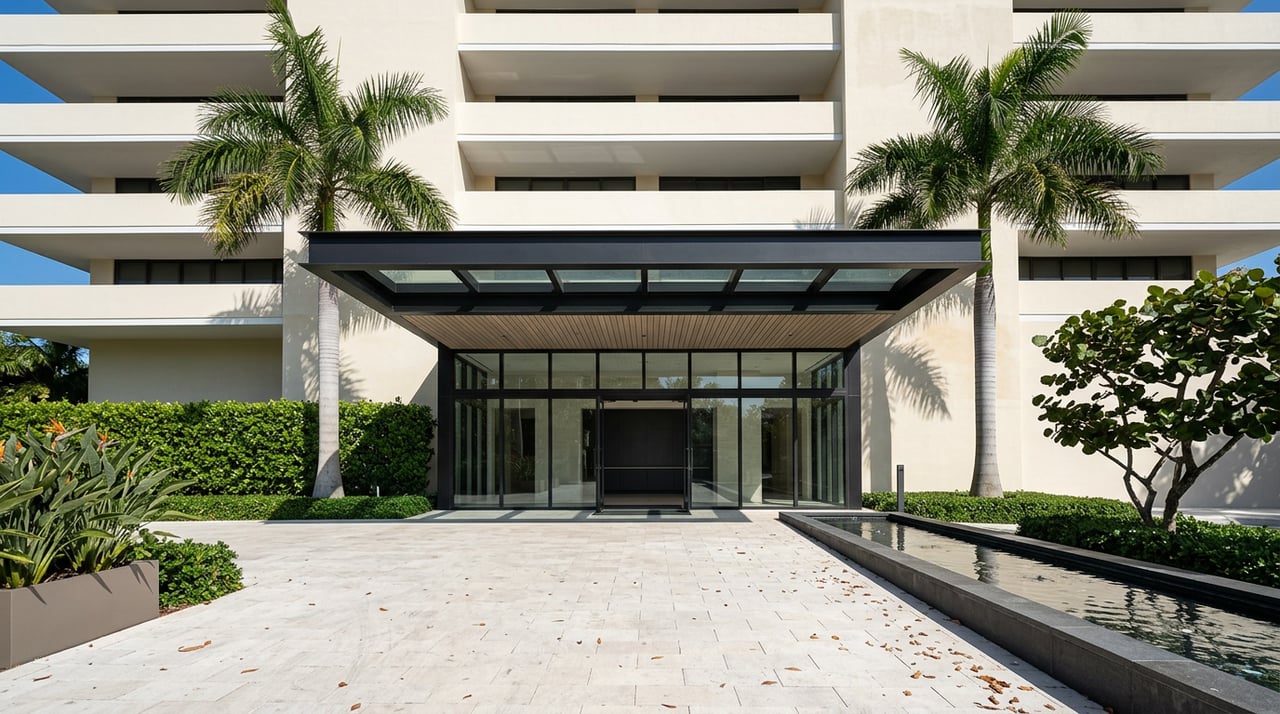
For buyers comparing options across Greater Miami, this matters. In Miami Shores, the housing environment is shaped more like a preserved village than a tower district. If you are drawn to waterfront estates, classic homes with character, or updated residences on leafy streets, that setting can feel especially appealing.
Everyday Lifestyle and Village Feel
One of the biggest advantages of Miami Shores is that it feels complete without feeling overbuilt. Commercial activity is limited to two smaller strips along NE 2nd Avenue and Biscayne Boulevard, which helps preserve the neighborhood’s residential atmosphere while still giving you access to practical daily conveniences.
The village also has a compact local core that supports day-to-day routines. The Shores Shuttle includes stops at Downtown Miami Shores, the library, the field house, the community center, the aquatic center, and nearby retail like Publix. Instead of relying on a major retail district, residents can move through a smaller, community-centered network of places.
That local rhythm is part of the appeal. You can enjoy a quieter setting while still being connected to services that support an active schedule. For many buyers, especially those relocating from denser urban neighborhoods, that blend can feel like a smart middle ground.
Parks and Recreation
For upscale living, convenience is only part of the picture. Access to recreation, outdoor space, and wellness amenities also shapes how a neighborhood feels over time. Miami Shores performs well here thanks to a village-run system that supports a wide range of activities.
The Parks and Recreation Department includes four divisions: Community Center, Athletics, Aquatics, and Tennis. The village offers more than 40 recreation classes per week, along with an 8-lane competition pool, intramural sports, after-school care, summer camp, and tennis and pickleball programming.
That breadth matters because it supports more than one stage of life. Whether you want structured youth programs, fitness-oriented amenities, or a convenient place to stay active close to home, the village has real infrastructure in place. It is not just a pretty residential area. It is a place designed for ongoing use.
Waterfront Access
Miami Shores also benefits from its Biscayne Bay setting. Bayfront Park gives residents public waterfront access, including an approximately 900-foot trail along the bay. That kind of open-water edge adds an important lifestyle layer that many inland neighborhoods simply cannot offer.
The village is also planning seawall and amenity improvements for the park because the site floods during the rainy season. For you, that signals both transparency and continued investment in public spaces. It shows a municipality that is actively addressing infrastructure and preserving access to one of its signature assets.
Even short visits to the waterfront can shape your experience of a neighborhood. In Miami Shores, the bay is part of daily life, not just a distant backdrop.
Schools and Learning Resources
For buyers who want strong educational infrastructure nearby, Miami Shores offers several notable resources within the village. Miami Shores Elementary, located at 10351 NE 5th Avenue, holds an A grade for 2024-25 on the district dashboard. The school also lists pre-K, a gifted center, after-school care, arts, music, PE, world language, clubs, and other school programs.
Doctors Charter of Miami Shores, which serves grades 6 through 12 at 11301 NW 5th Avenue, carries a high-performing designation. The school received a B in 2023-24 after an A in 2022-23, based on district reporting.
The village is also home to Barry University, which adds a college-campus presence to the area, according to the same neighborhood profile. Taken together, these resources support Miami Shores’ identity as a community with education-oriented amenities close to home.
Library and Community Resources
Another small but meaningful quality-of-life feature is the village library. Brockway Memorial Library is village-operated and places a clear focus on literacy and youth services. The village states that the building was completed in 1949 and is an example of modern Florida architecture.
That may seem like a detail, but community institutions often help define how a neighborhood feels in everyday life. In Miami Shores, the library adds both practical value and local character. It reinforces the sense of a place with civic pride and lasting neighborhood infrastructure.
Commute and Connectivity
Miami Shores offers a more suburban transportation profile than some of Miami’s denser districts, but it remains well connected. According to the local profile, Biscayne Boulevard and US-1 serve as the main artery, Metrobus runs along larger streets, and the village operates a free weekday shuttle.
The same source notes that Miami Shores is about 10 miles from Miami International Airport and PortMiami, with quick access to I-95, downtown Miami, and Miami Beach. That means you can keep a residential home base while staying within practical reach of business districts, travel hubs, and waterfront destinations.
For relocators and buyers with active schedules, this is a useful combination. You do not have to choose between convenience and a calmer home environment. Miami Shores gives you access without requiring you to live in the middle of constant activity.
Miami Shores vs. Miami Beach and Downtown
If you are comparing neighborhoods, the clearest way to understand Miami Shores is by contrast. The City of Miami Beach describes itself as a major international destination with the world’s largest collection of Art Deco structures and more than 2,600 historic buildings. That creates a very different environment from a lower-rise residential village.
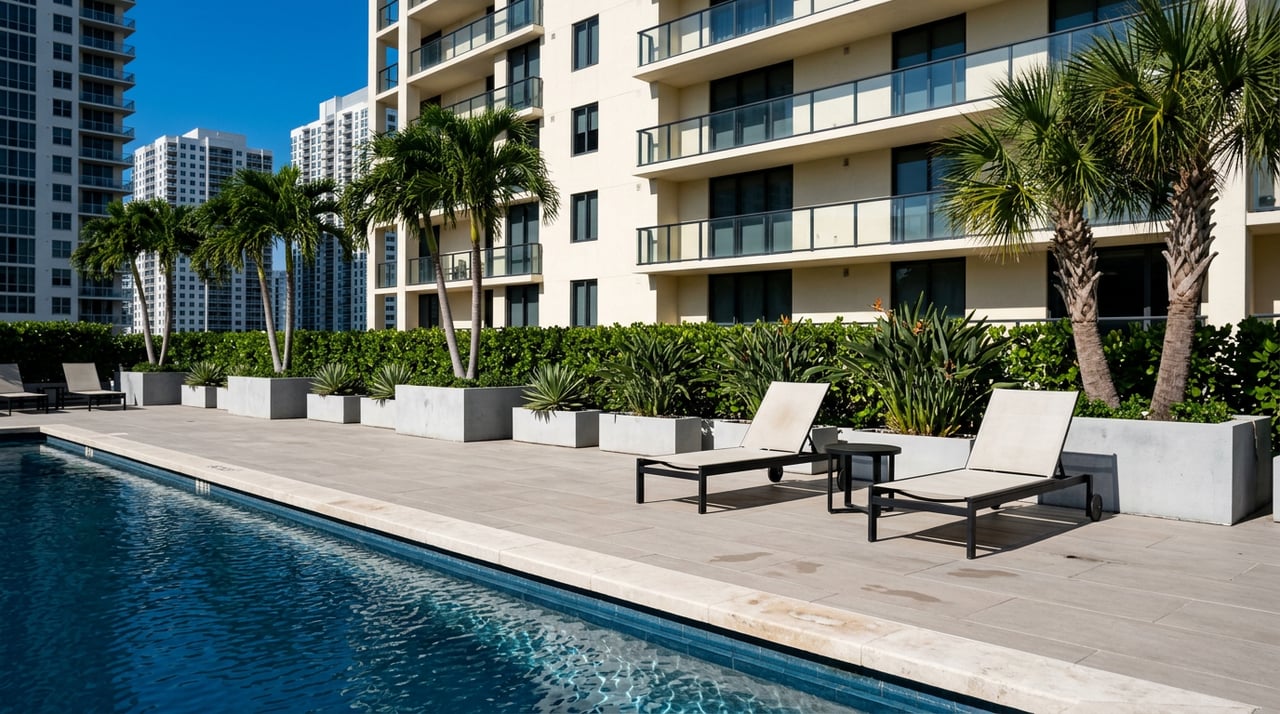
Downtown Miami and Brickell are widely recognized for skyline living and high-rise density, while Miami Shores offers the opposite mix of houses, parks, neighborhood services, and a smaller commercial core. Based on the sources provided, that is the central positioning point: Miami Shores combines proximity to Miami’s major hubs with a much more house-oriented setting.
If your goal is upscale living with more privacy, more residential consistency, and a village-style atmosphere, Miami Shores can be a compelling alternative. It is especially relevant if you want a home that feels rooted in the neighborhood rather than surrounded by tourism or towers.
Who Miami Shores May Suit Best
Miami Shores can appeal to several types of buyers, especially those who prioritize lifestyle and long-term usability over maximum urban intensity. You may want to take a closer look if you are seeking:
- A single-family home environment with architectural character
- Strong owner-occupancy and a more established residential feel
- Recreation programs, waterfront access, and community amenities nearby
- Proximity to downtown Miami, Miami Beach, and major travel routes without living in a high-rise district
- A neighborhood that feels polished, quiet, and village-oriented
For buyers who value both comfort and location, that combination is hard to overlook.
Final Thoughts on Miami Shores
Miami Shores offers something that can be surprisingly hard to find in Greater Miami: a neighborhood that feels upscale, connected, and distinctly residential all at once. Its tree-lined streets, house-scale architecture, waterfront access, village services, and education-oriented infrastructure create a lifestyle that is both elevated and practical.
If you are considering a move in or around Miami and want help comparing Miami Shores with other luxury and waterfront options, Jason Sims can guide you with a hospitality-first, highly personalized approach.
FAQs
What is the overall feel of Miami Shores for homebuyers?
- Miami Shores is described in official local materials as a quiet, family-oriented single-family suburb with tree-lined streets, wide roads, limited multifamily housing, and a compact village feel.
What types of homes and architecture are found in Miami Shores?
- Village materials highlight MiMo, Mediterranean Revival, Art Deco, and contemporary architecture, and local preservation efforts have recognized more than forty homes through village council designation.
What parks and recreation amenities are available in Miami Shores?
- The village recreation system includes a community center, athletics, aquatics, tennis, more than 40 classes per week, an 8-lane competition pool, after-school care, summer camp, and tennis and pickleball programs.
What waterfront access does Miami Shores offer residents?
- Bayfront Park provides public access to Biscayne Bay and includes an approximately 900-foot waterfront trail, adding a scenic outdoor amenity within the village.
What school options are located in Miami Shores?
- Miami Shores Elementary is located in the village and holds an A grade for 2024-25, while Doctors Charter of Miami Shores serves grades 6 through 12 and carries a high-performing designation.
How convenient is Miami Shores for commuting around Miami?
- Official materials say Miami Shores has access to Biscayne Boulevard, US-1, Metrobus, a free weekday village shuttle, I-95, downtown Miami, Miami Beach, Miami International Airport, and PortMiami.